


I advise farmers to think twice before gifting or selling sites — here’s why
16 Jun 2026 5:30 AM
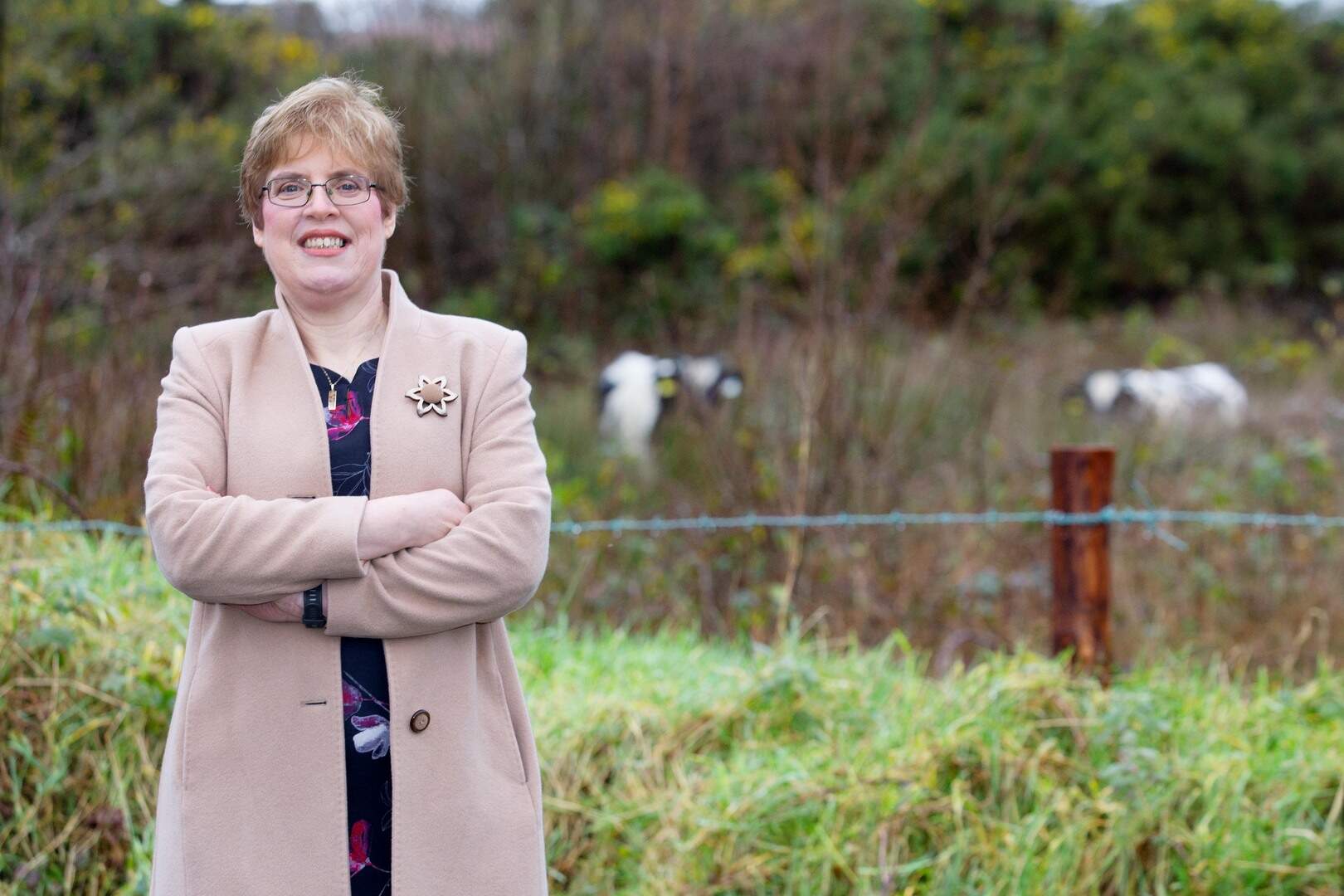
Even if the planning rules regarding the construction of houses in rural Ireland are relaxed, I don’t see a return to the heady days of the Celtic Tiger, when some farmers paid off debts and others set up pension pots funded by the sale of lands with road frontage.
In my experience, the prohibitive cost of constructing even a basic house has put people off purchasing sites.
The cost of labour and materials has risen sharply since 2020 and it is also very difficult to get a builder to construct a standalone house. I have seen clients gifted sites by their parents drawing down mortgages in the region of €500,000 to build a fairly standard rural home.
There are also hidden costs such as engineers’ fees, connections to services, landscaping and access roadways.
In many cases, it can be difficult to secure a mortgage for a self-build compared to buying a completed home. Despite inflated house prices, purchasing a finished property is often the cheaper option. Planning permission is not the issue — the cost of construction is.
Purchasing derelict houses, with the attraction of renovation grants, has become popular in rural Ireland, but this too is fraught with difficulty.
Cash-flow can be a problem as funds must be paid upfront before grants are drawn down. Many underestimate the extent of works involved and the potential for these properties to become costly projects.
Tax implications of a site transfer
When transferring property, three taxes must be considered: Capital Gains Tax (CGT), Capital Acquisitions Tax (CAT) and Stamp Duty.
Capital Gains Tax
Relief from CGT may apply when transferring a site from a parent to a child (including stepchildren, adopted children and, in some cases, foster children).
To qualify, the site must be less than one acre and valued under €500,000. The child must build and occupy the house as their principal residence for at least three years. If not, the relief is clawed back.
This relief does not apply to nieces, nephews or grandchildren.
If you transfer or sell a site outside this relief, CGT may arise on the increase in value of the land at a rate of 33%.
Capital Acquisitions Tax (CAT)
There is no specific relief from CAT on site transfers. Children have a lifetime tax-free threshold of €400,000, which is reduced by the value of any site transferred.
Care is needed where a site is transferred jointly to a child and their partner, as the partner will only have a €20,000 threshold and may face a tax liability. This does not apply to sales on the open market.
Stamp Duty
Stamp duty is payable by the recipient at 7.5% of the site value. While a residential refund scheme exists once a house is built, it is complex and does not usually result in a full refund.
It is essential to seek both legal and financial advice before selling or transferring a site.
Common pitfalls in site sales and transfers
Neighbours from hell
Selling or transferring a site can have long-term consequences. Even where a site is sold or gifted to someone known, it may later be resold.
New neighbours may object to normal farming activities such as slurry spreading, machinery noise or barking dogs. Boundary disputes and access issues can also arise. Be very careful about selling a site close to your home — money cannot buy peace and privacy.
Transferring sites to children who don’t build
Gifting a site to a child living abroad in the hope they will return can create problems. These include CGT clawbacks, idle land and complications for future inheritance.
There is also a risk of the site being placed on a vacant site register or becoming liable for levies.
Insufficient research
Do not transfer a site without proper groundwork. Planning permission should be secured or at least assessed by an engineer. I have seen sites transferred that were too small, unsuitable for building or had access issues.
Lack of advice
Always obtain legal and financial advice. Check title, understand costs and be aware of tax obligations. Even where reliefs apply, returns must still be filed.
Source: Irish Independent, Mary Frances Fahy, 16th June 2026
Mary Frances Fahy is a solicitor and tax consultant and the principal of Fahy Neilan Solicitors, Ballaghaderreen, Co Roscommon
No responses yet